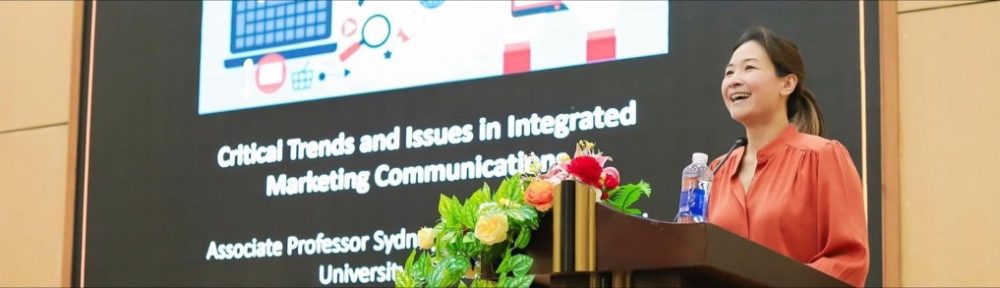
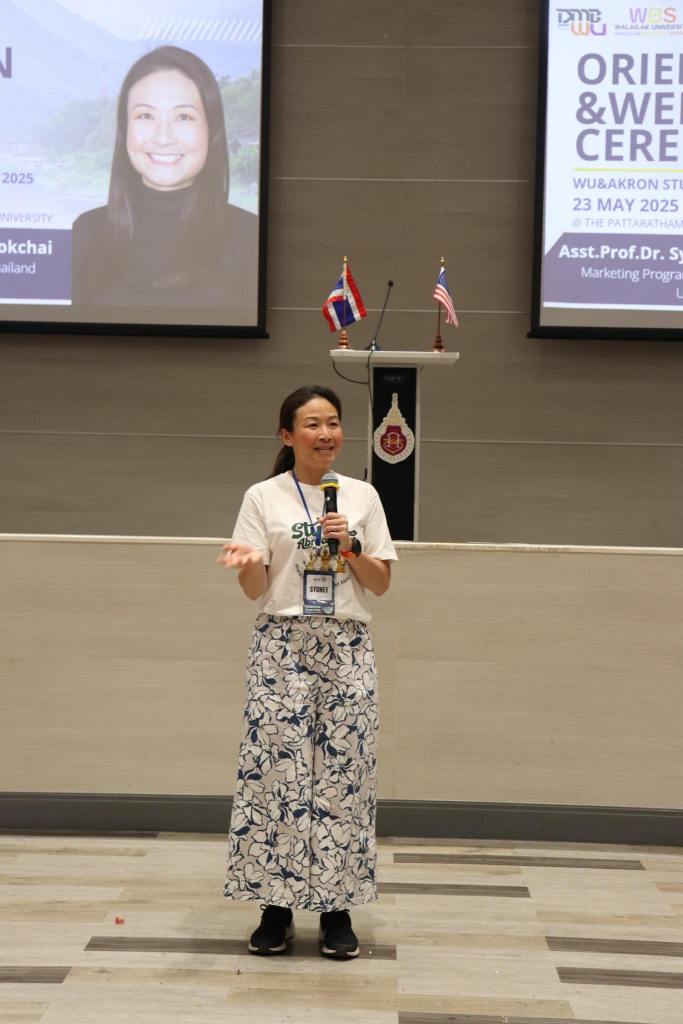
As I reflect on the 2025 Study Abroad Thailand program, I would say this year’s study abroad Thailand program was a huge success! This program was more than just a trip—it was an immersive experience in global citizenship, hands-on learning, and personal transformation.
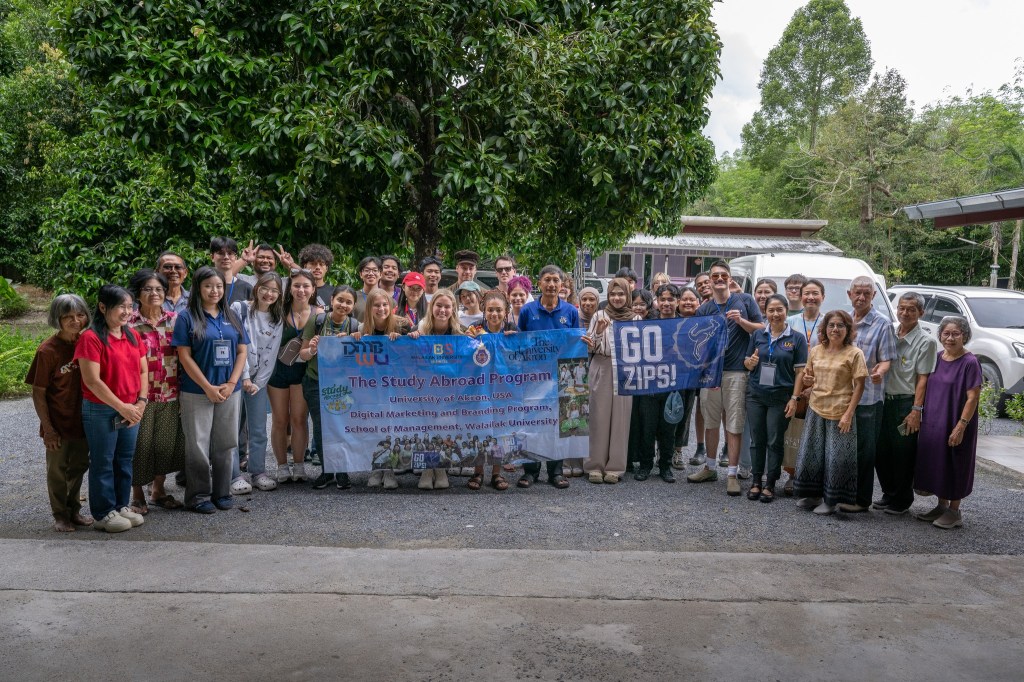
This year, the students from the University of Akron joined their Thai peers for a unique academic and cultural exchange in Thailand. With sustainability and community-engaged learning as the core themes, the students had an opportunity to work in a cross-cultural team to co-create innovative solutions for a local community enterprise.
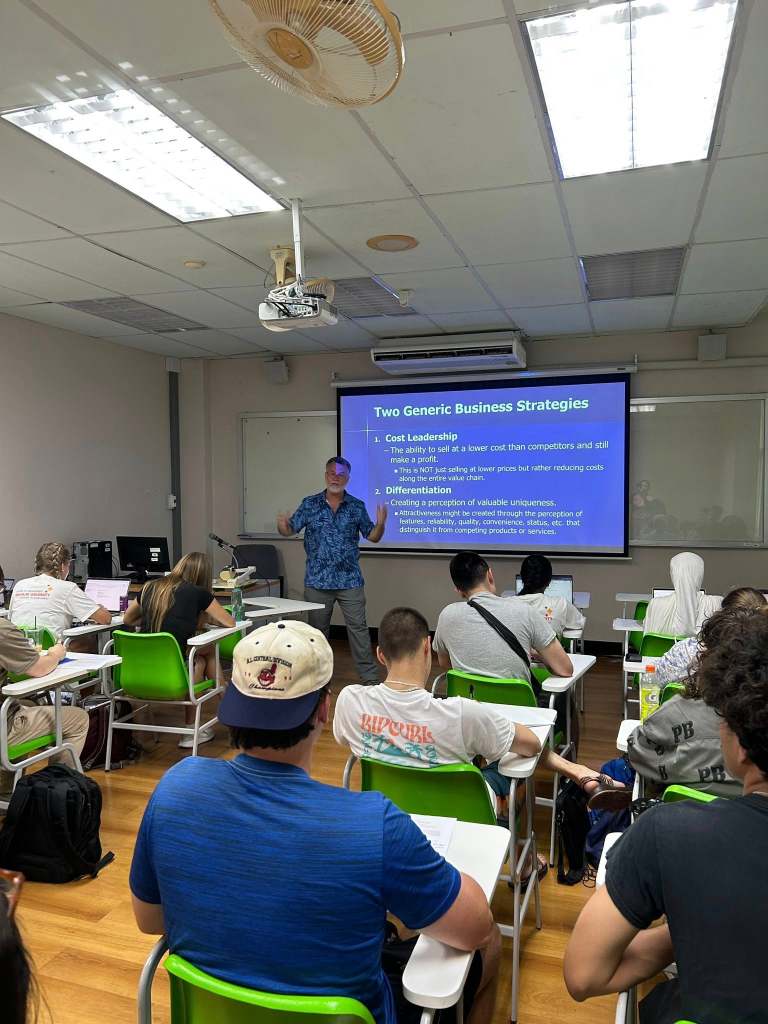
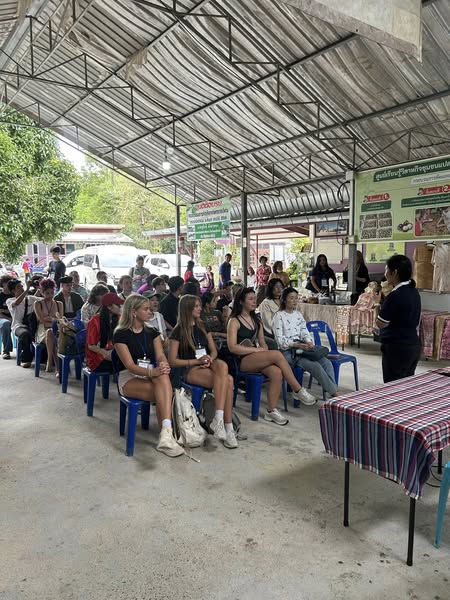
This year, we worked with Thon Hong Community Enterprise—a mangosteen farm in Nakhon Si Thammarat whose objective was to increase revenue through offering value-added products and services at the farm. Through lectures, site visits, and cross-cultural teamwork, WU and Akron students developed experiential tourism proposals designed to help the farm attract both local and international visitors. Despite limited time, they delivered creative, thoughtful ideas that will be further implemented by Walailak University students this fall. Seeing our students use their marketing knowledge in a culturally meaningful and socially impactful way was a powerful reminder of the value of applied global education.
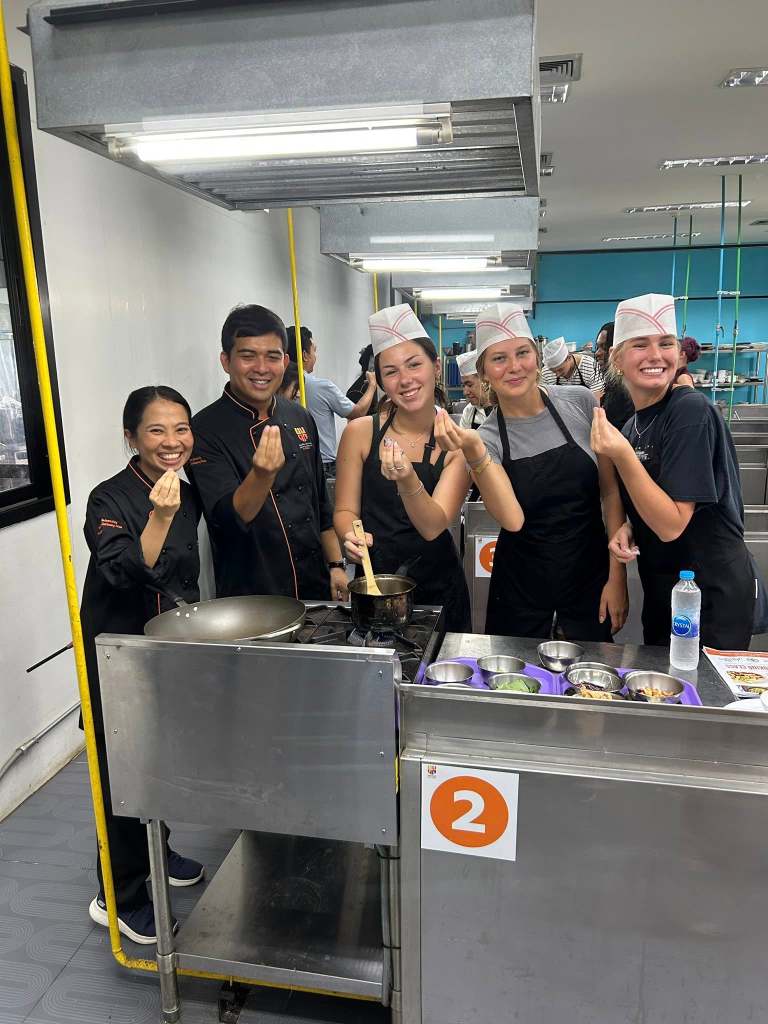
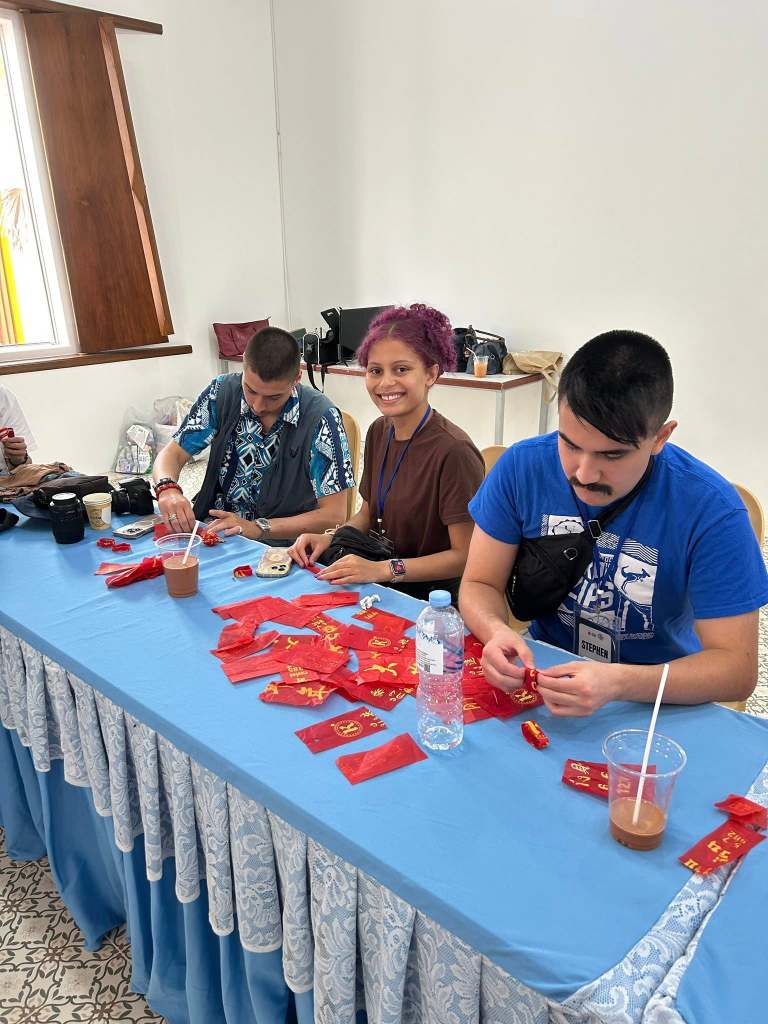
Beyond the classroom, the students participated in a wide range of cultural and sustainable activities—from learning traditional tie-dye techniques and cooking Thai dishes, to kayaking in Klong Khood (one of the low-carbon tourism activities in Krabi). These shared moments fostered an authentic sense of connection and friendship between our American and Thai students—many of whom had never traveled abroad or interact with international peers before.
As a faculty member and program director, what stood out most to me was the growth I saw in our students. They became more confident, more culturally aware, and more adaptable. They learned to navigate ambiguity, embrace different perspectives, and reflect critically on their own experiences. These are the types of learning outcomes that cannot be replicated in a traditional classroom.
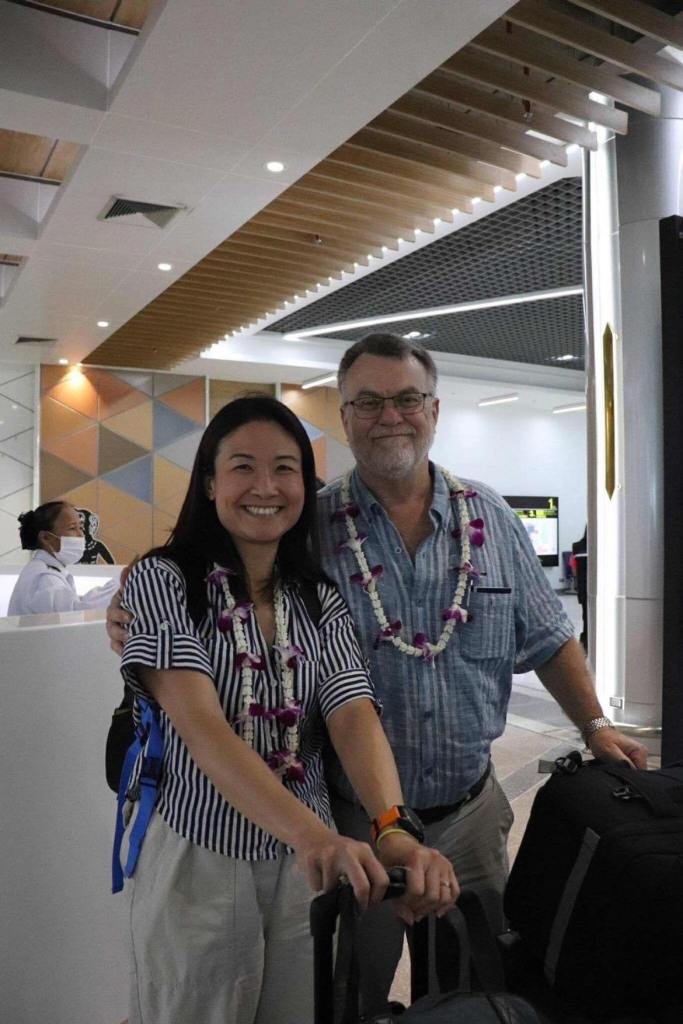
I am deeply grateful for this unique collaboration opportunity with Walailak University, which makes this study abroad experience different from other programs. Their dedication made this program not only possible but truly meaningful. I am also thankful for the students who embarked on this journey with open minds, for Professor Steve Ash, who agreed to come along as the 2nd instructor to help me during the trip, and for the deep and lasting connections that were formed across cultures.
Read the UA featured story about the study abroad Thailand trip HERE.













 Sydney Chinchanachokchai, Ph.D.